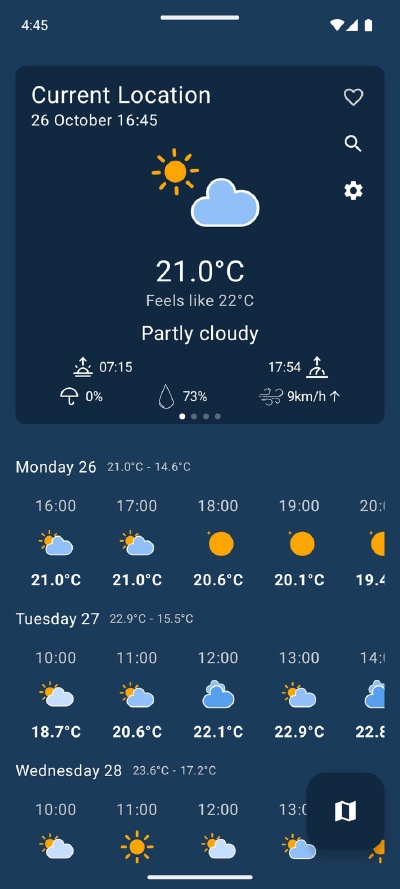
Weekly Weather 3 gave the app a radar map. 4.0 is the biggest update it has had: the weather card became four pages you swipe through, from the weather now to tonight’s sky, and the map got a rain forecast, labels for every city and a layer for dark skies. It went to Google Play today.
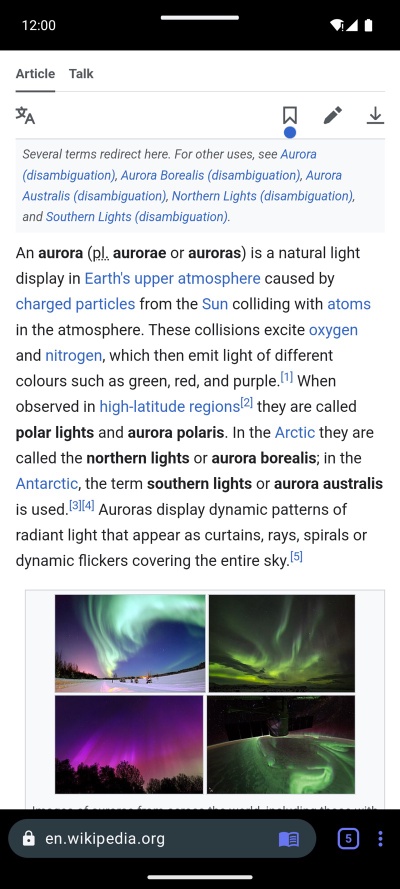
sBrowser started life as a teaching app for a workshop at 091 Labs: a WebView, an address bar and a few buttons. It grew bookmarks, an ad blocker and a video player over the years, was rewritten in Kotlin and Jetpack Compose in January 2024 (3.x), and 4.4 shipped in March this year. When Google Play’s new rule to target Android 16 (API 36) came due, I sat down to bump a number and ended up rebuilding most of it. sBrowser 5.0 went to Google Play for review today.
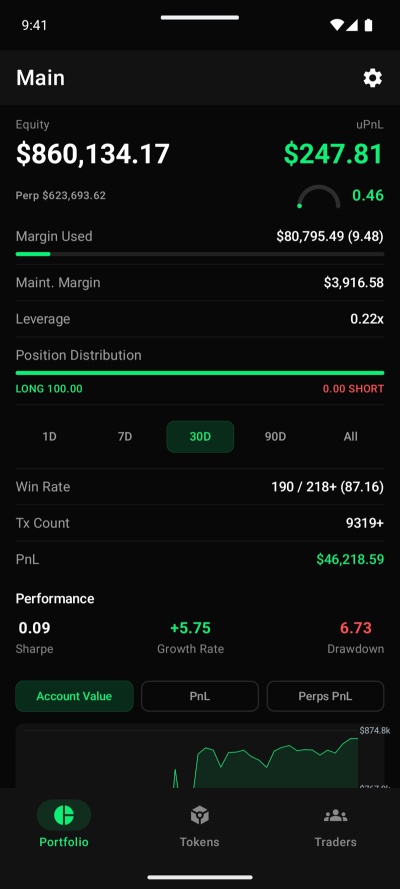
Hyperliquid is an on-chain exchange for perpetuals and spot that feels like a centralised one: an order book, sub-second fills and a public API for everything. Its website works on a phone if you’re patient, but I wanted a real app in my pocket. So in March I started Hyprr, a native client for it. It’s been on Google Play since the end of June, and version 1.1.1 went out today.
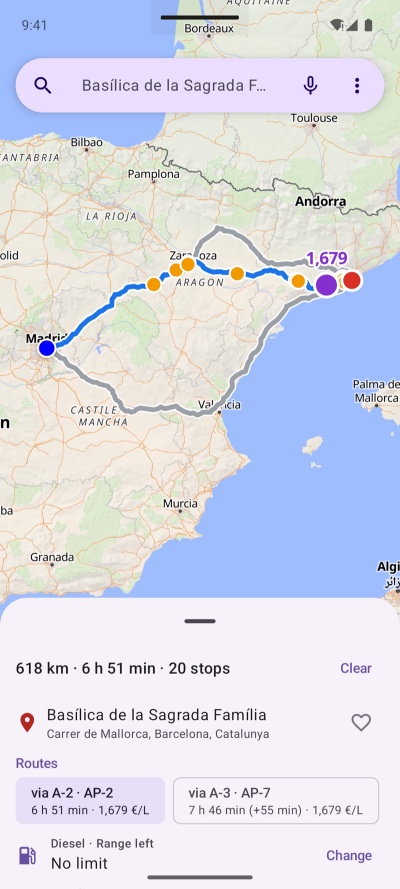
Years ago I found out that the Spanish Ministry publishes the price of every petrol station in the country as open data, updated live. I started an app around it, got as far as a list of stations, and left it in a folder. This month I picked it up again with a better question: not “where is fuel cheap?” but “where along the way I’m already driving does it actually pay to stop?” The result is Gas On Route, now waiting for review on Google Play.
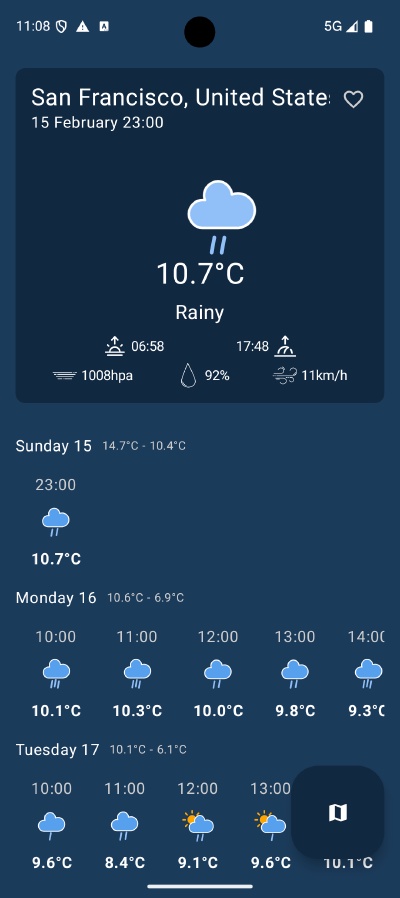
Version 3 of Weekly Weather is out, and it’s a significant update. The headline addition is an interactive radar map with animated precipitation overlays, but there’s a lot more packed into this release.
Today I want to share how I built a complete cryptocurrency mining monitoring app in just one day, from initial concept to Google Play Store submission, using Cursor as my IDE.
