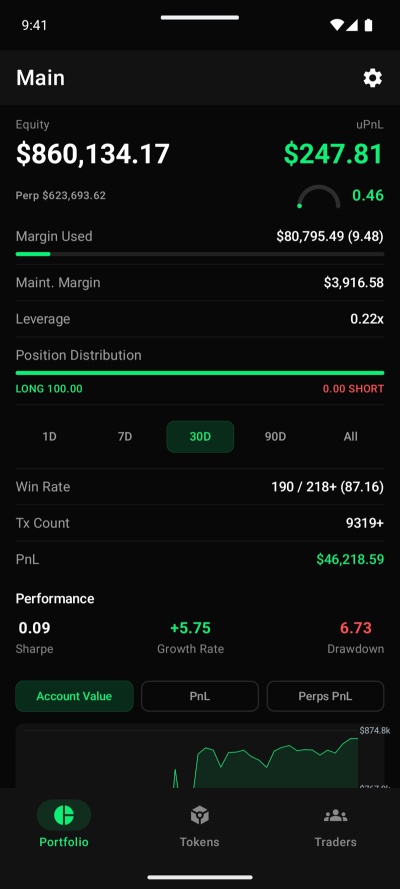
Hyperliquid is an on-chain exchange for perpetuals and spot that feels like a centralised one: an order book, sub-second fills and a public API for everything. Its website works on a phone if you’re patient, but I wanted a real app in my pocket. So in March I started Hyprr, a native client for it. It’s been on Google Play since the end of June, and version 1.1.1 went out today.
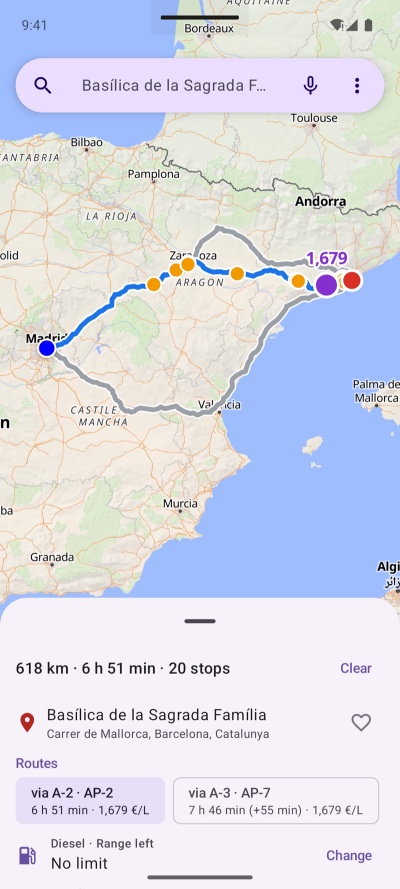
Years ago I found out that the Spanish Ministry publishes the price of every petrol station in the country as open data, updated live. I started an app around it, got as far as a list of stations, and left it in a folder. This month I picked it up again with a better question: not “where is fuel cheap?” but “where along the way I’m already driving does it actually pay to stop?” The result is Gas On Route, now waiting for review on Google Play.
Introduction
In the ever-evolving world of mobile app development, choosing the right cross-platform framework can be a game-changer for businesses and developers alike. Two prominent contenders in this space are React Native and Kotlin Multiplatform (KMP). Both offer unique approaches to the challenge of writing code once and deploying it across multiple platforms. This article will dive deep into the strengths and considerations of each, helping you make an informed decision for your next project.
Model-View-Intent (MVI) is a powerful architectural pattern for building user interfaces, especially in Android development. In this post, we’ll explore a helper class that simplifies the implementation of MVI, making it easier to manage state, handle user intents, and emit actions in your application.